The first thing in Japan noticed wasn’t the neon or the smell of ramen drifting through the air. It was the humidity.
By the time we reached the train platform, my shirt clung to my back, my hair had surrendered into a ponytail, and everyone around us seemed far better prepared. Tiny fans hummed around construction workers’ necks. Office workers carried portable fans in one hand and umbrellas in the other. September had arrived exactly as Japan had promised it would.
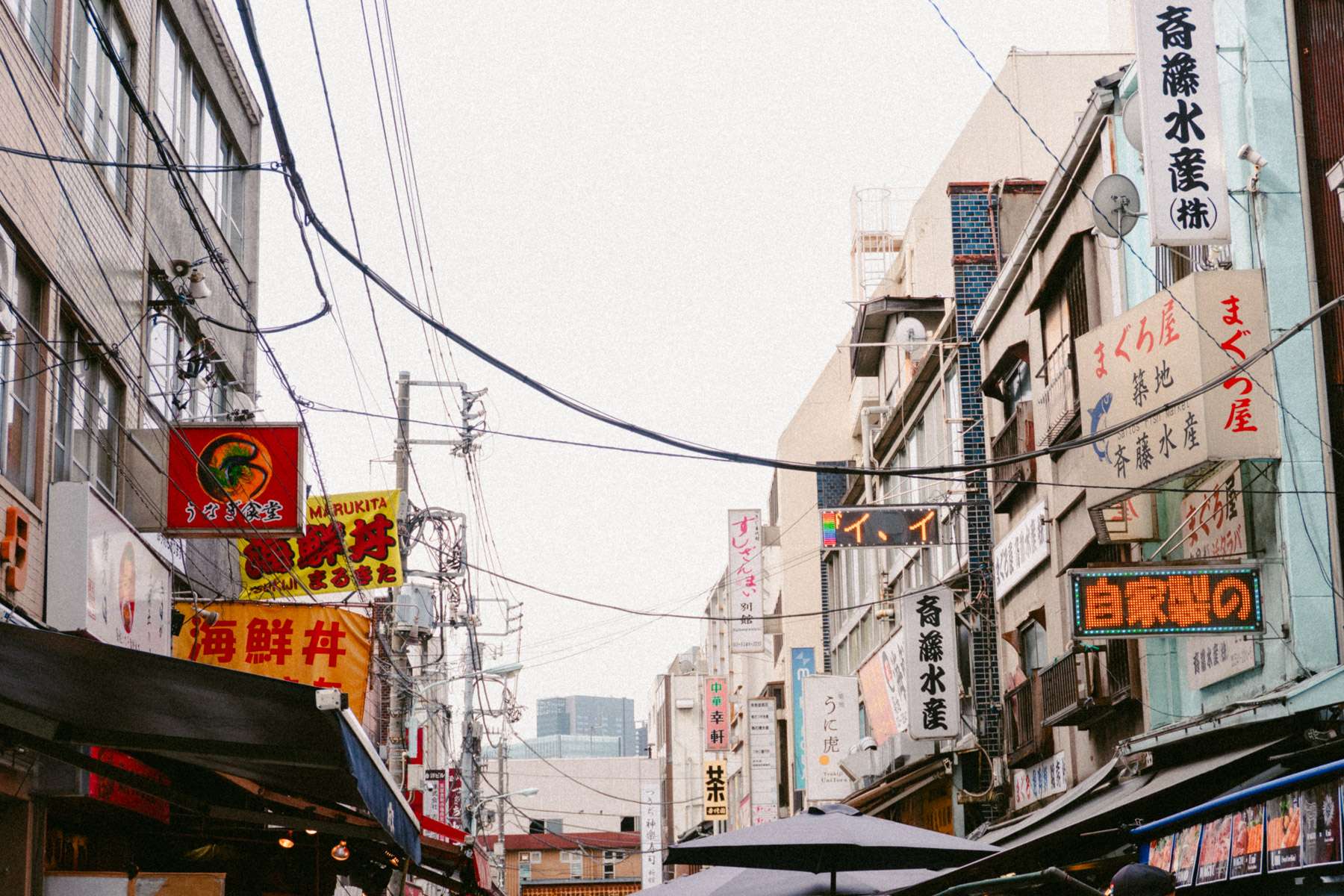
Our first meal was in a tiny sushi restaurant where the waitress and my husband stumbled through broken Japanese and English together. She laughed through every sentence, disappearing behind the counter only to return with another recommendation, delighted that strangers had wandered into a restaurant that rarely saw tourists.
Bowls of cold soba arrived alongside glasses of iced tea, the noodles impossibly springy after days of imagining steaming ramen. Slices of fresh tuna rested on seasoned rice with freshly grated wasabi tucked beneath each piece, served in the most unassuming neighborhood restaurant.
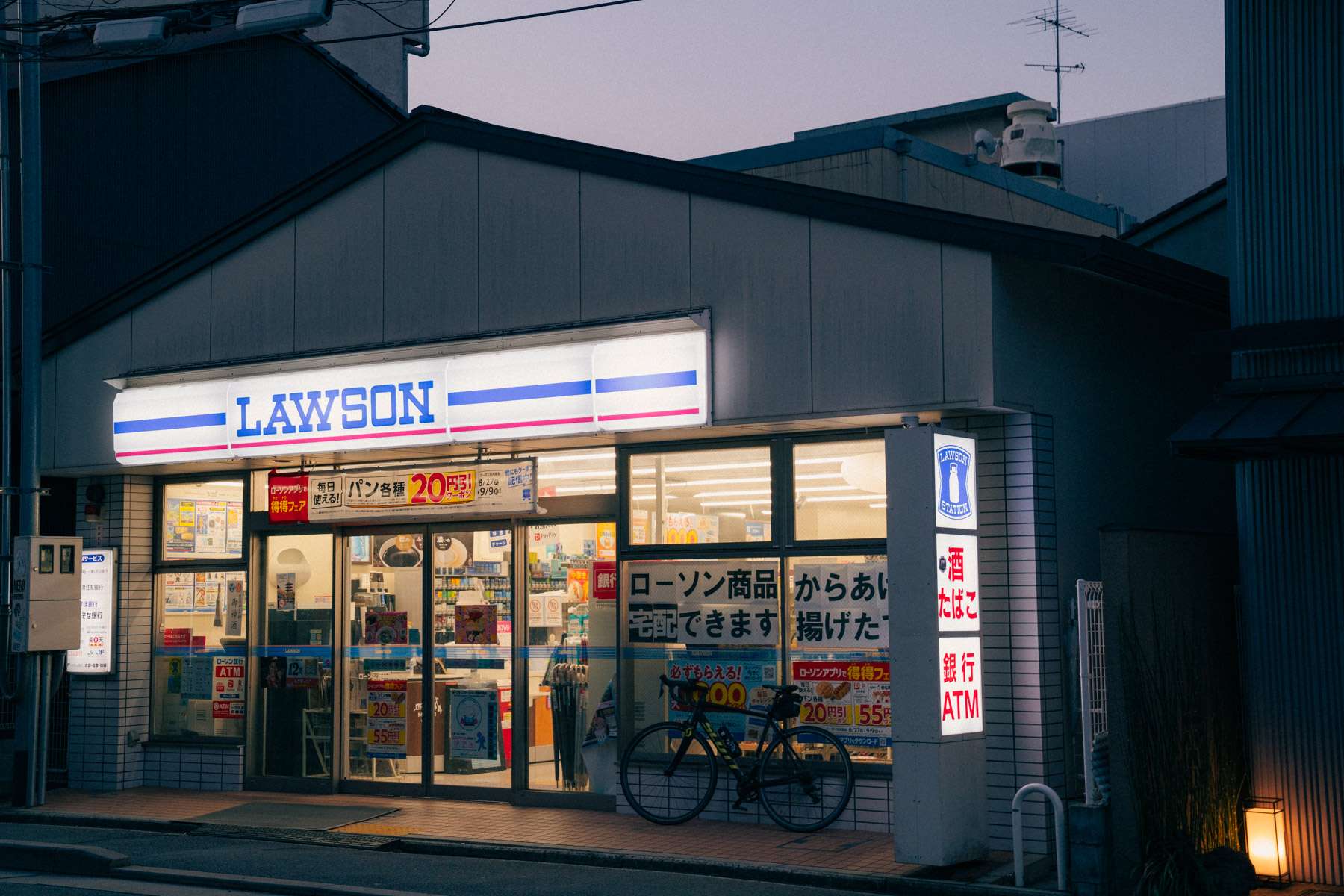
Around nearly every corner, vending machines decorated with Mount Fuji landscapes, canned coffee advertisements and brightly colored sports drinks offered relief from the September heat. Before long, the call of an ice-cold Pocari Sweat became just as irresistible as stopping into a local 7-Eleven for tuna onigiri or a pillowy-soft egg sandwich.
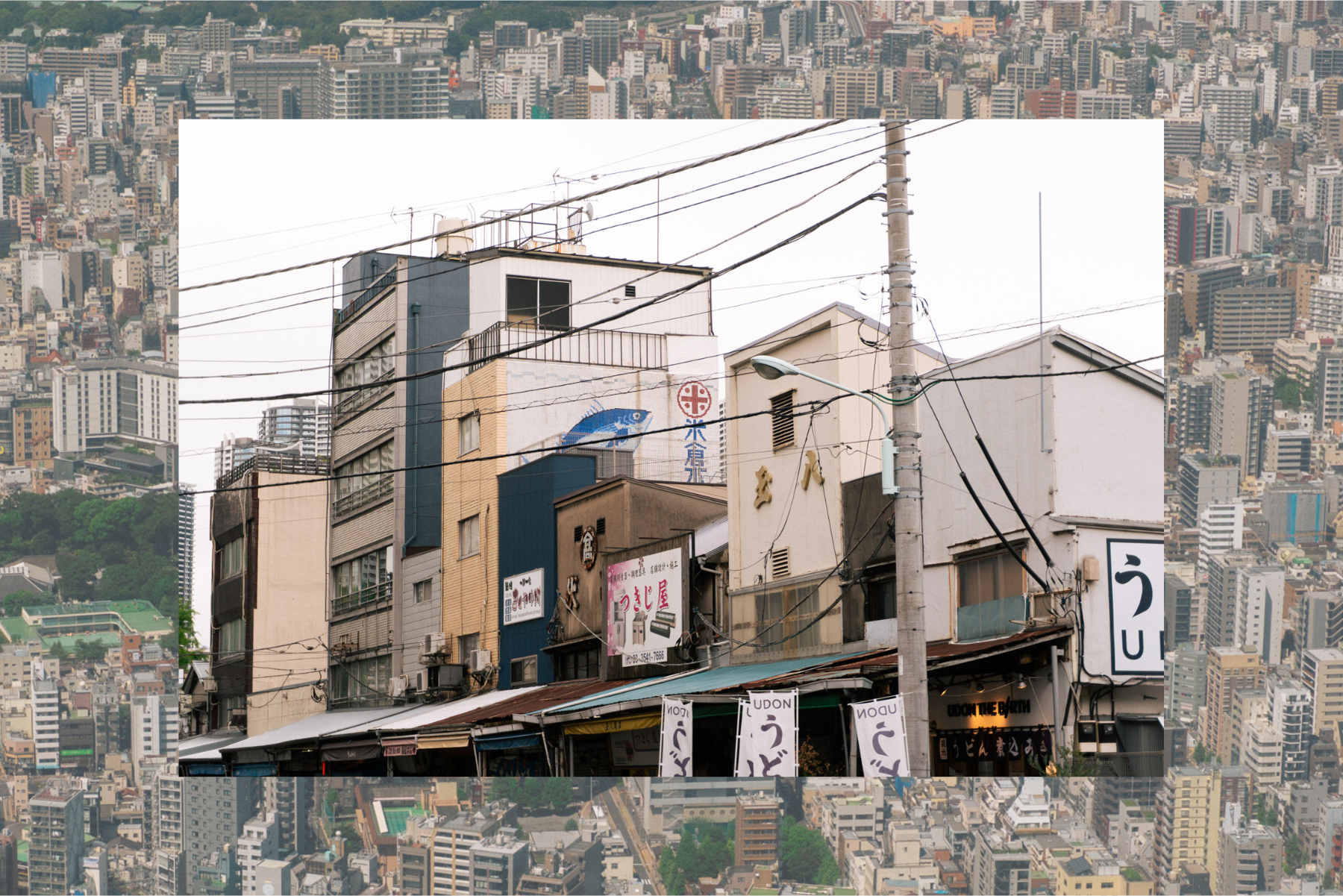
Somewhere between the neon canyons of Shinjuku and the pastel streets of Harajuku, I found myself watching people more than buildings. In the early morning, businessmen in dark suits streamed through the metro stations with remarkable precision, flowing through ticket gates almost like choreography. By the afternoon, Harajuku had transformed into something entirely different. Character-covered graphic tees, oversized silhouettes, platform shoes and brightly colored hair turned the sidewalks into an ever-changing fashion show. Even the quietest neighborhoods seemed to have their own distinct personality, each one moving to its own rhythm.
One evening, we traded Tokyo’s side streets for the bright lights of Meiji Jingu Stadium, joining a sold-out crowd for a game between the Hanshin Tigers and the Tokyo Yakult Swallows. It didn’t take long to realize we were watching something entirely different from the American baseball we were used to.
What struck me wasn’t the game itself, but the crowd. When a team’s batters stepped to the plate, their supporters rose together in perfect unison, singing personalized chants that echoed around the stadium with remarkable precision. As soon as the inning ended and their team returned to the field, they sat back down, their supporters settling into an almost complete silence. The energy never disappeared; it simply shifted with the game. Having grown up around American sporting events, where the crowd is almost constantly roaring, the restraint felt just as captivating as the celebration.
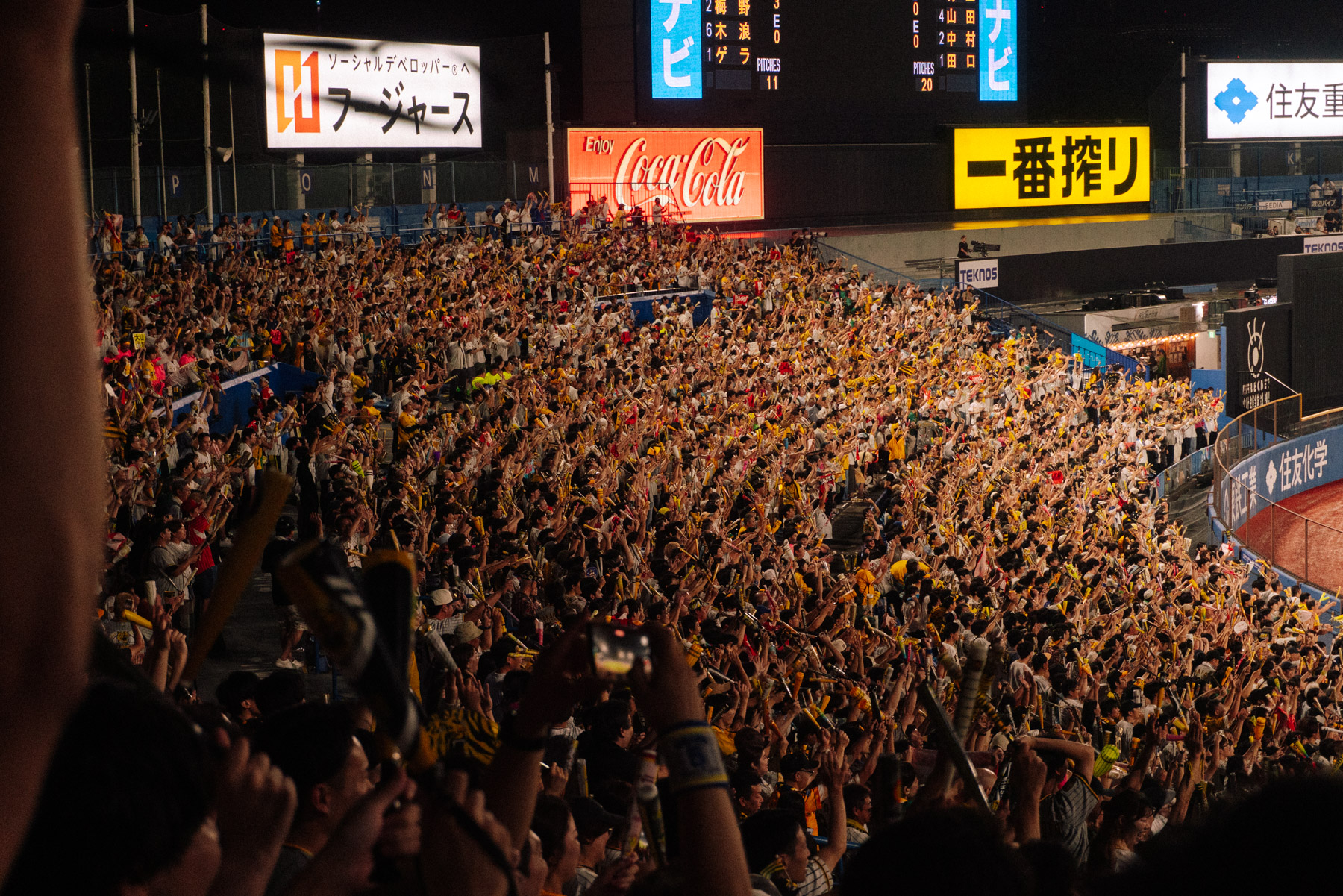
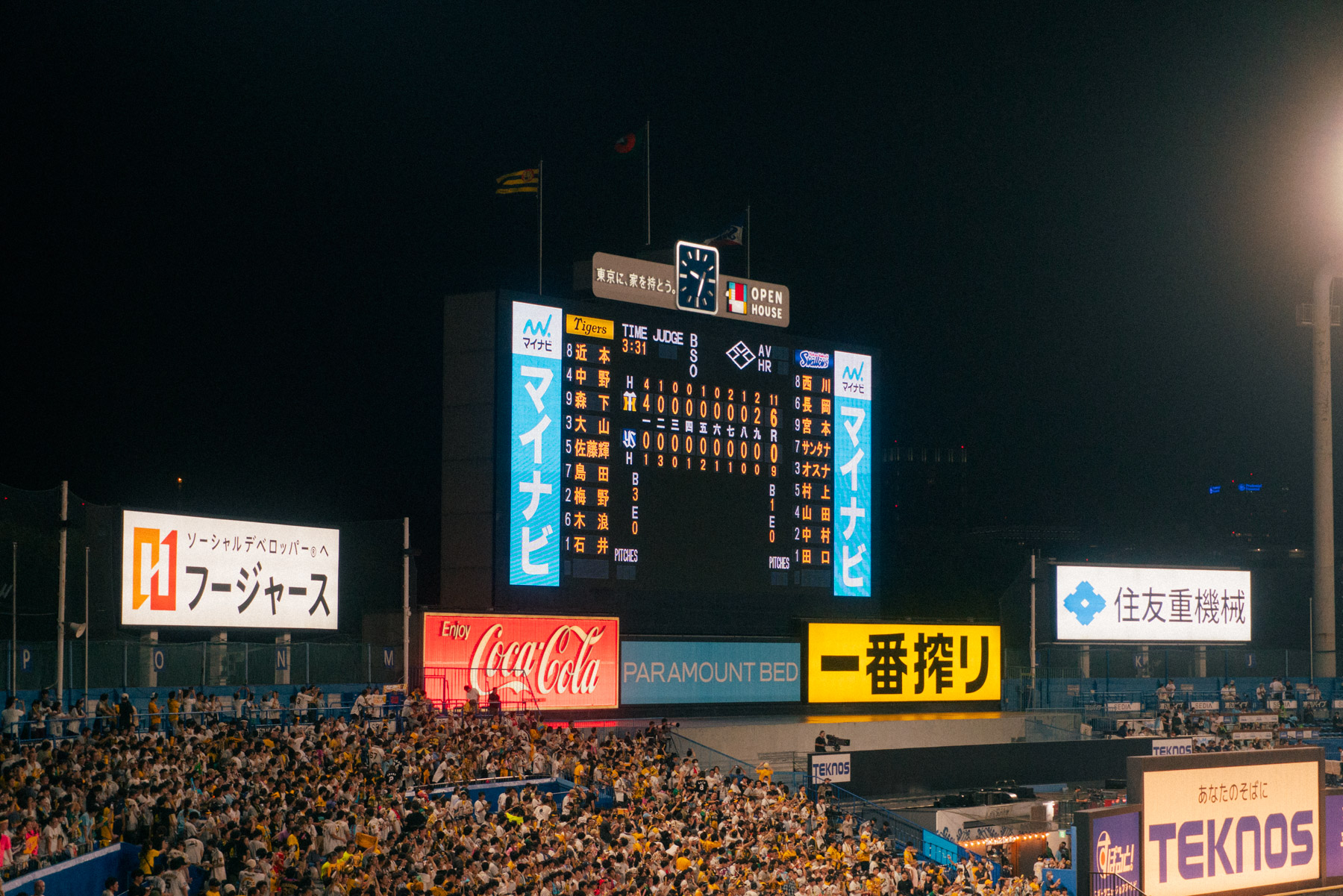
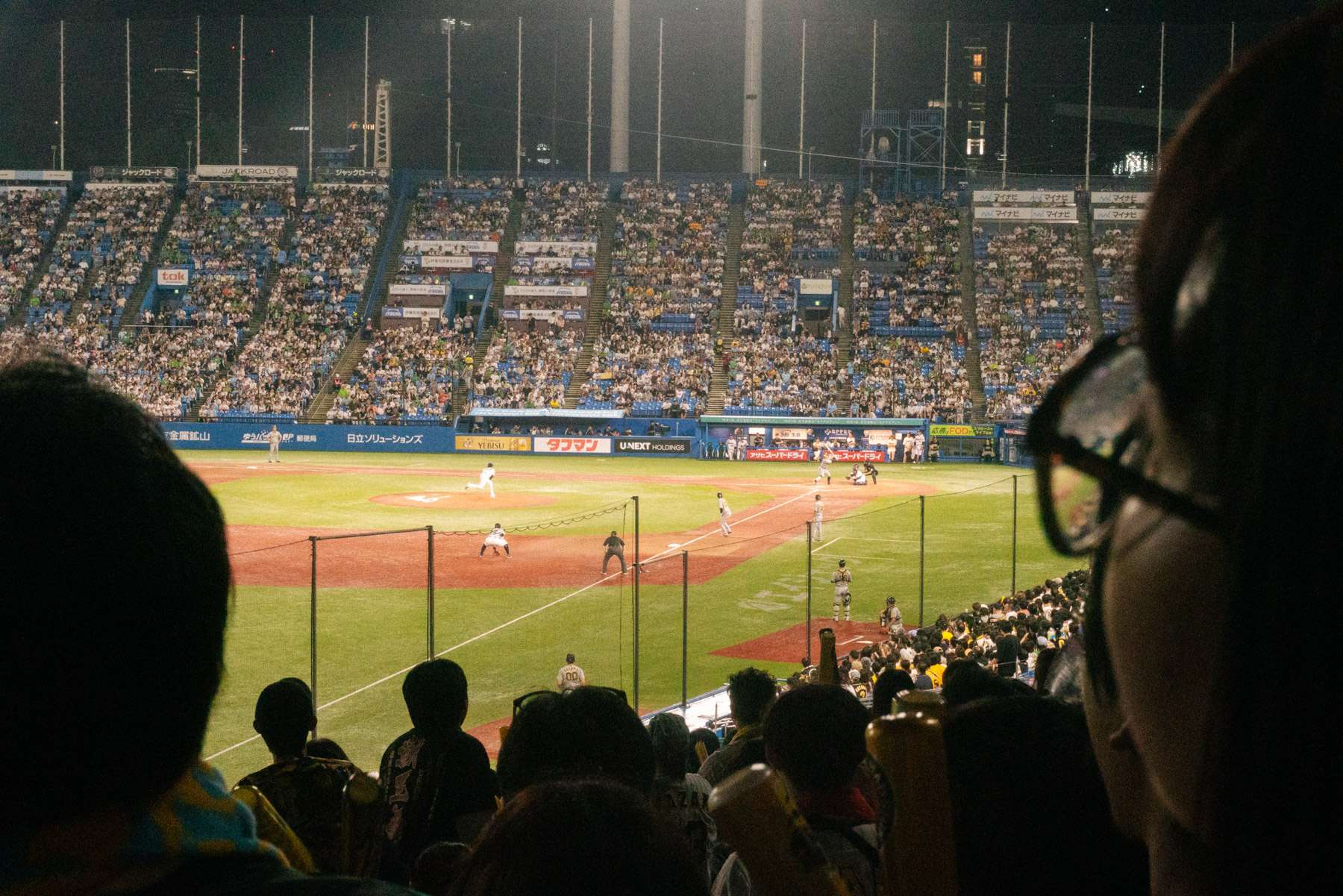
By pure chance, we were there to witness history as the Tigers threw a perfect game against the Swallows. The away supporters erupted while the home crowd sat quietly in disbelief.
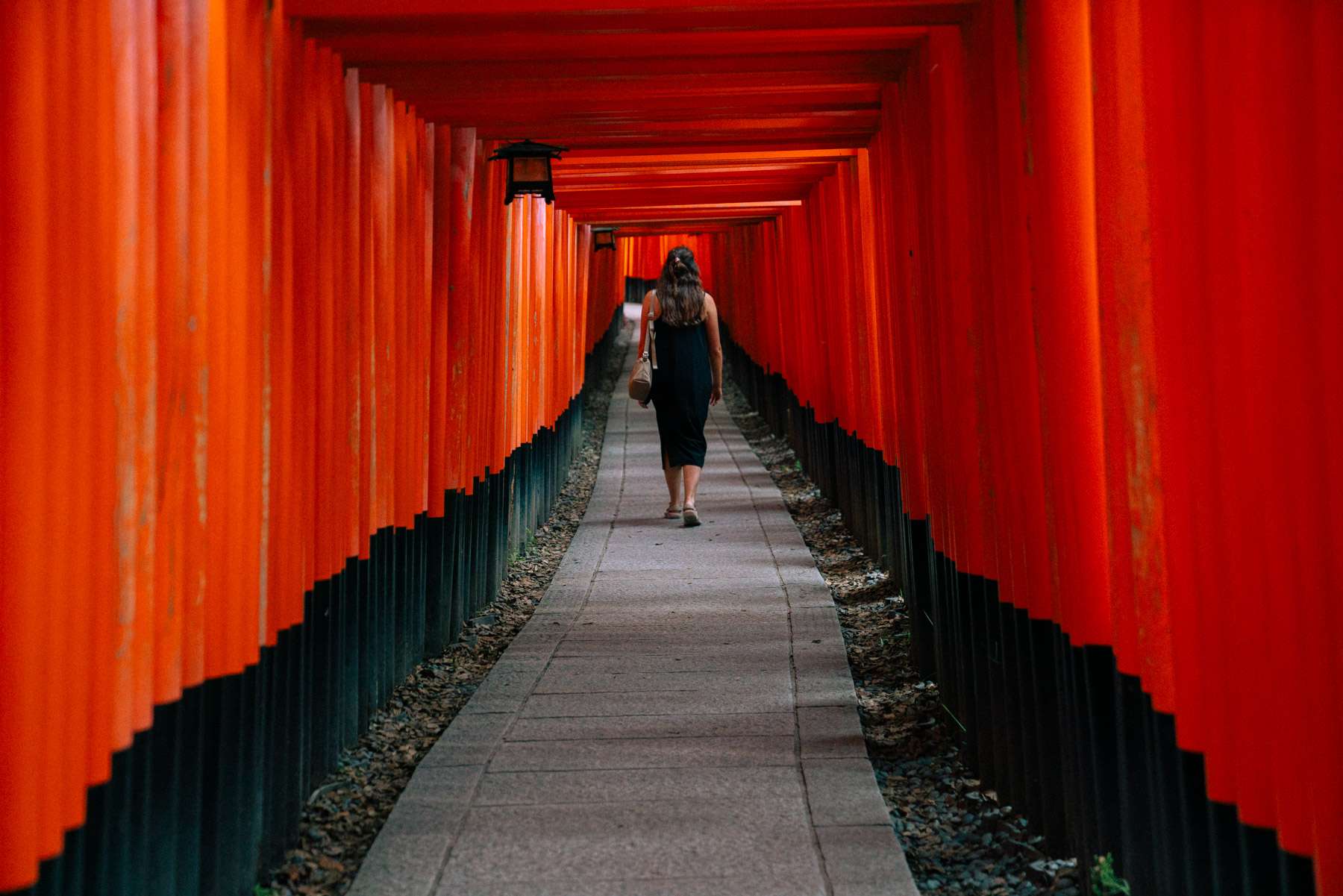
By the time we boarded the Shinkansen west, Tokyo itself had begun to feel like choreography. Twenty thousand steps disappeared without notice, each day stitched together by train stations, coffee shops and another stop at a vending machine for Pocari Sweat. The city had a rhythm that was impossible not to fall into. Kyoto, by comparison, invited us to slow down.
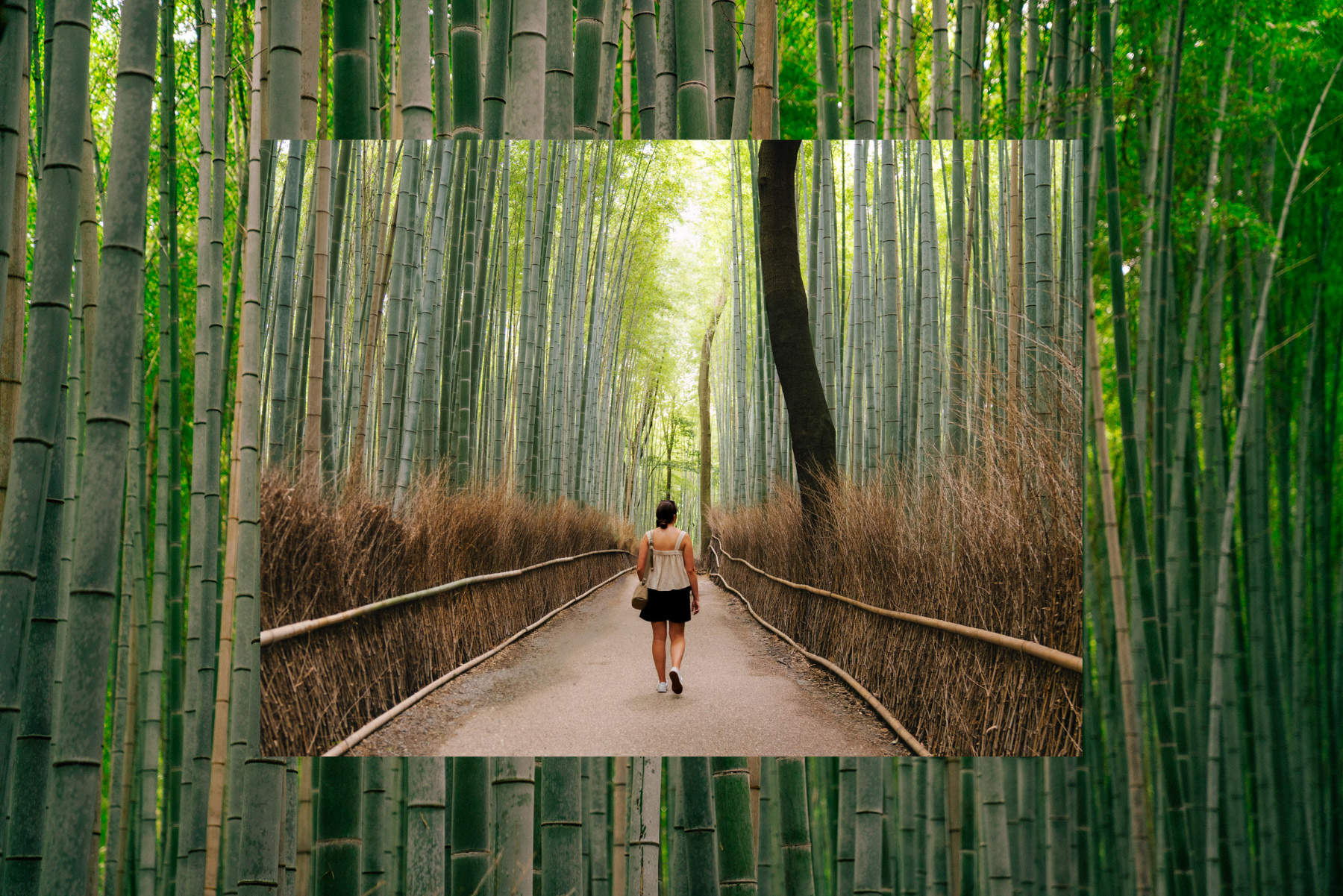
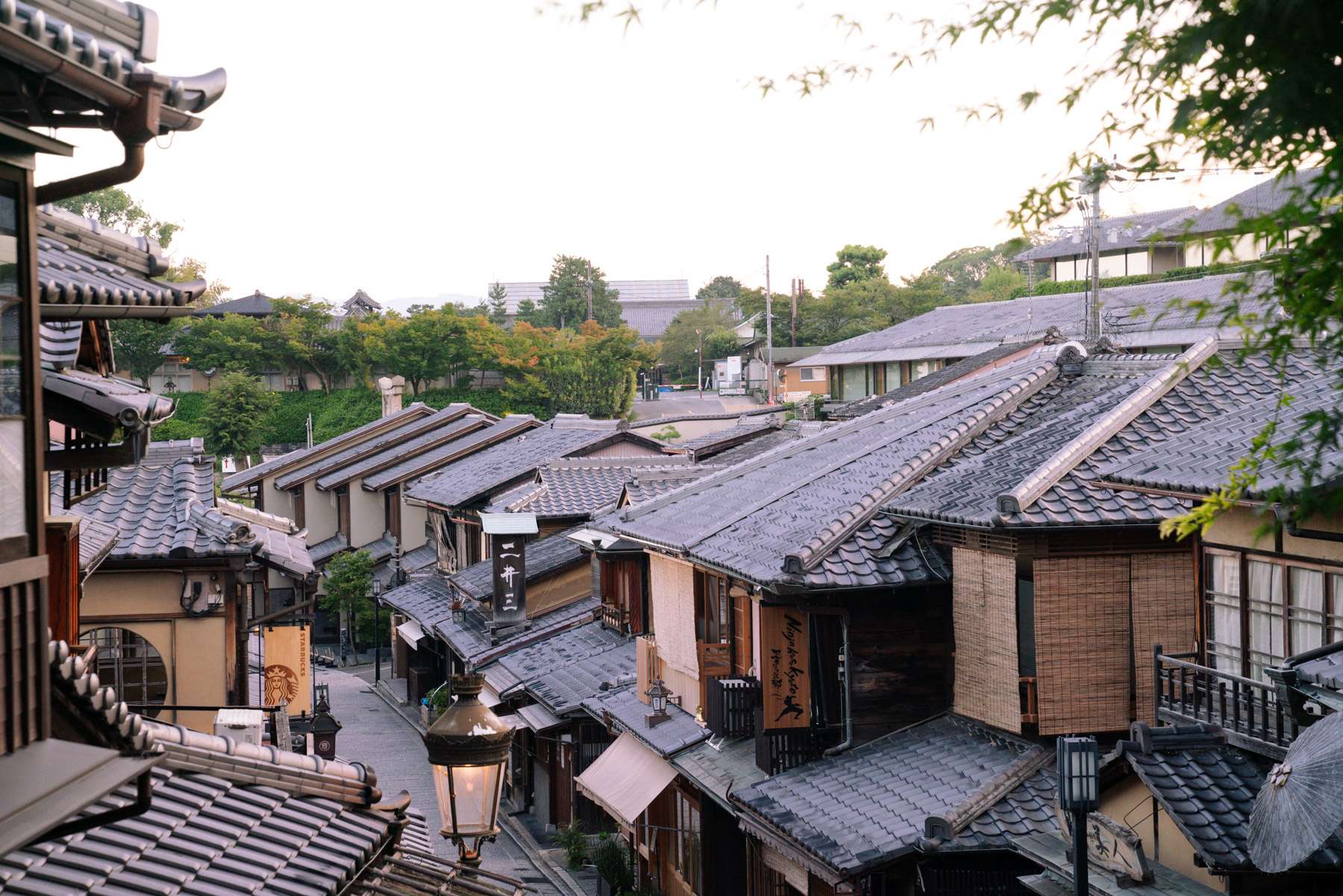
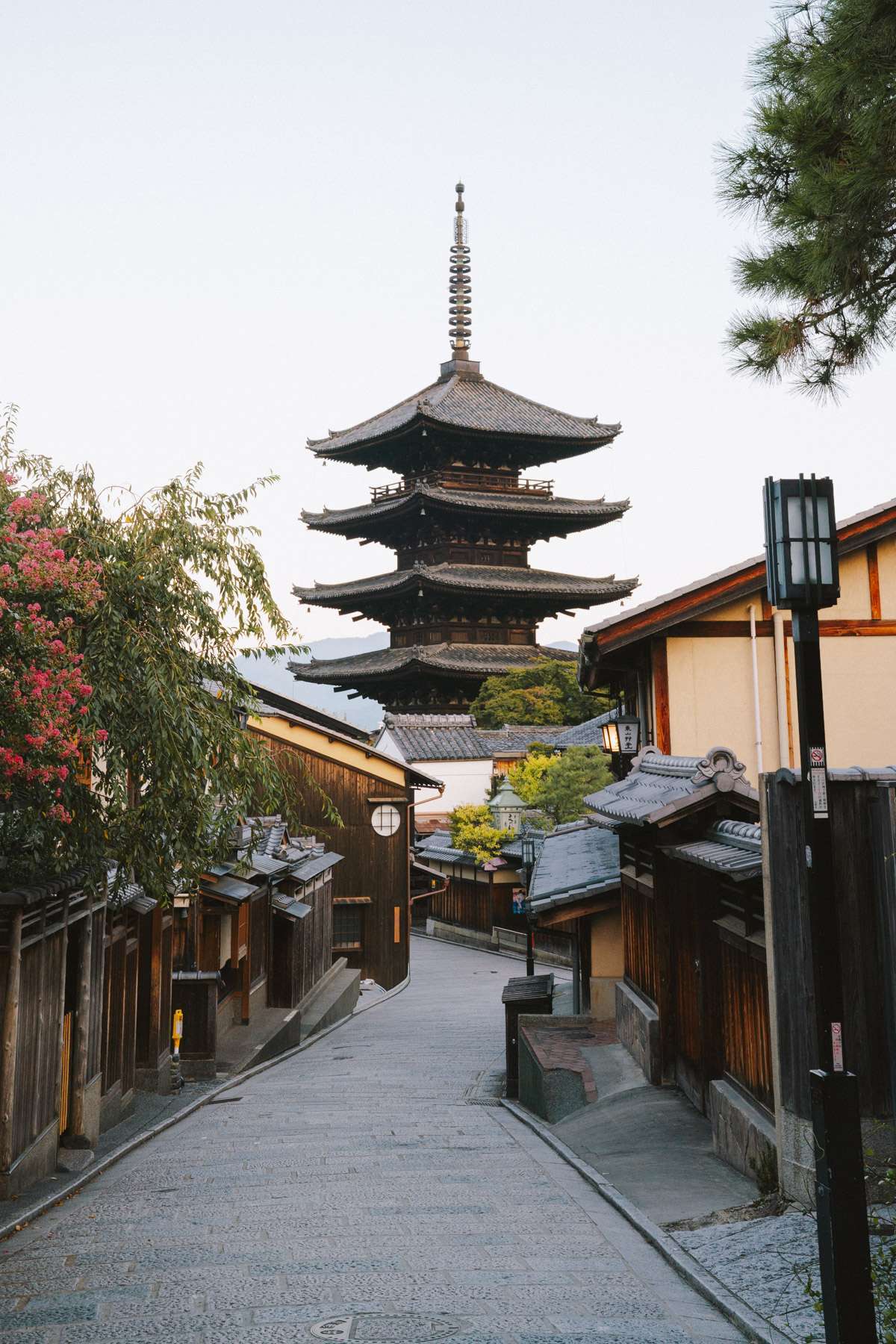
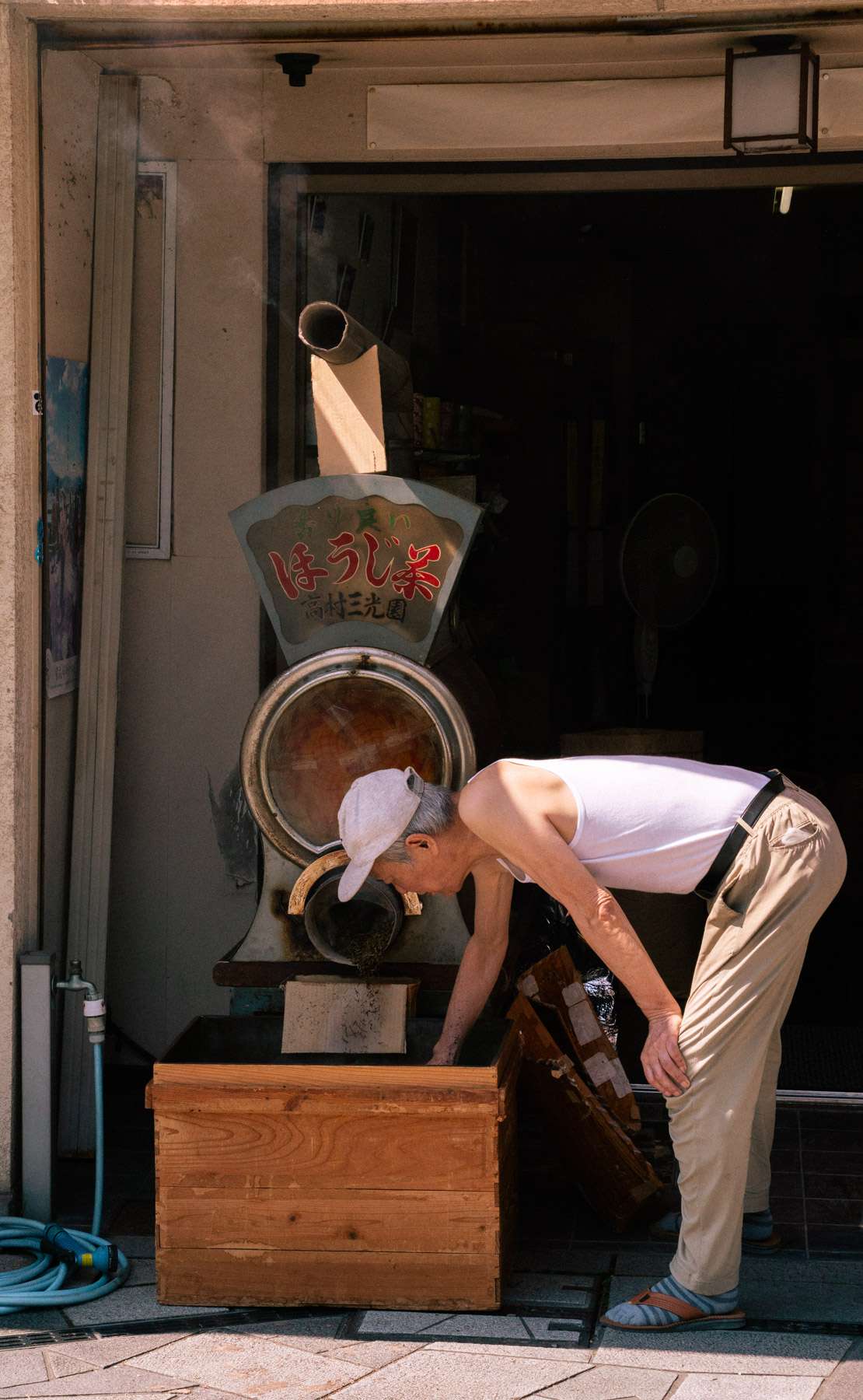
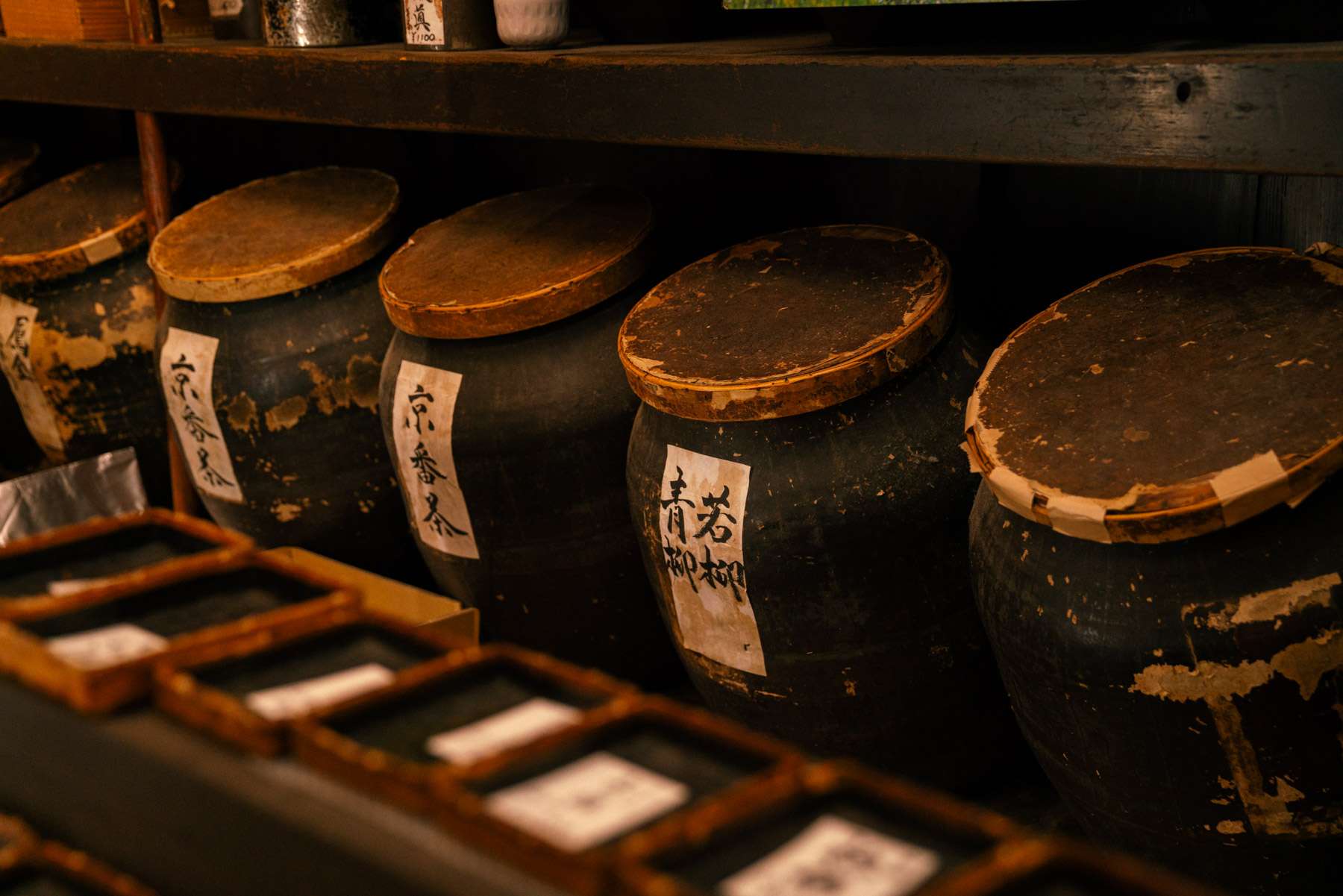
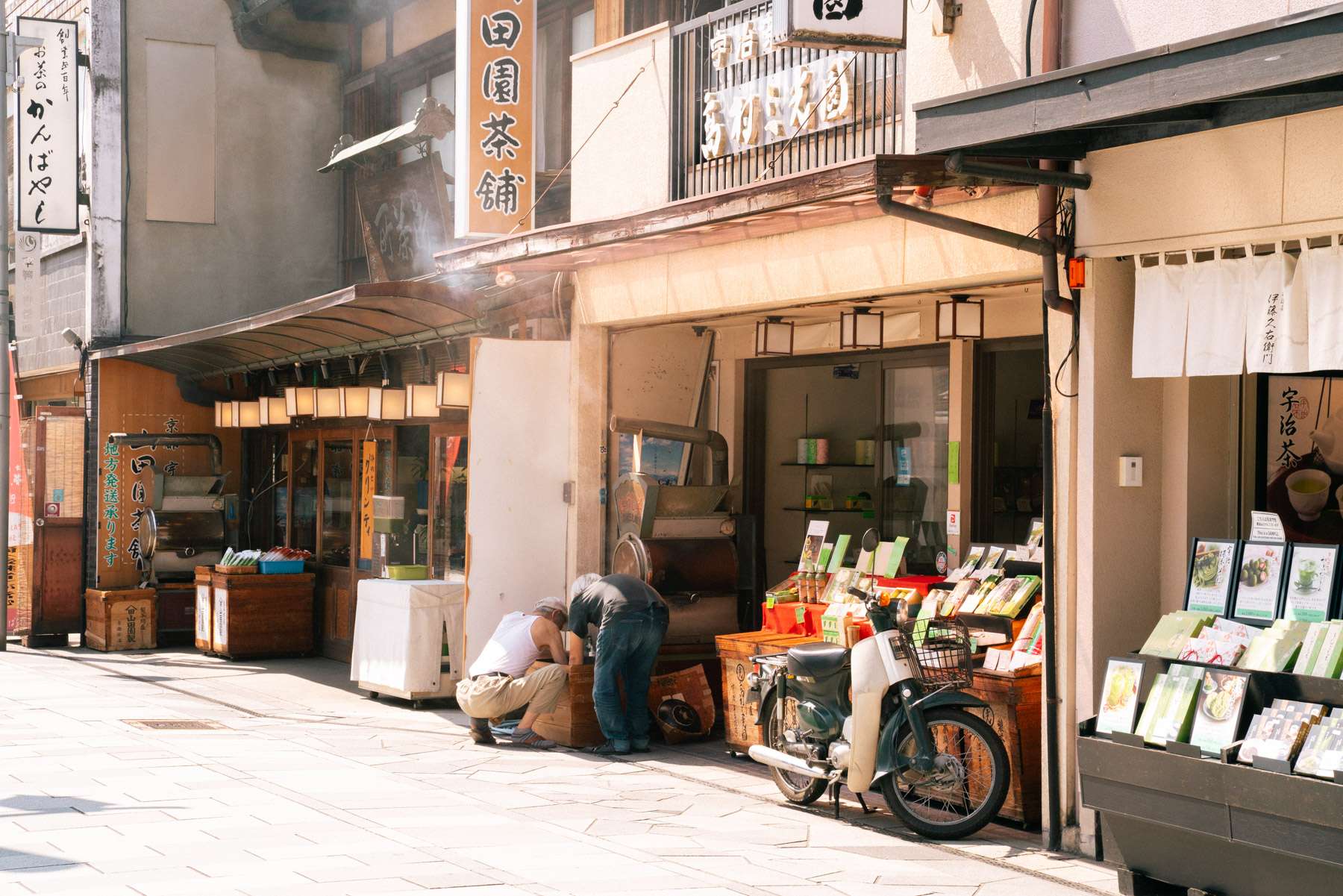
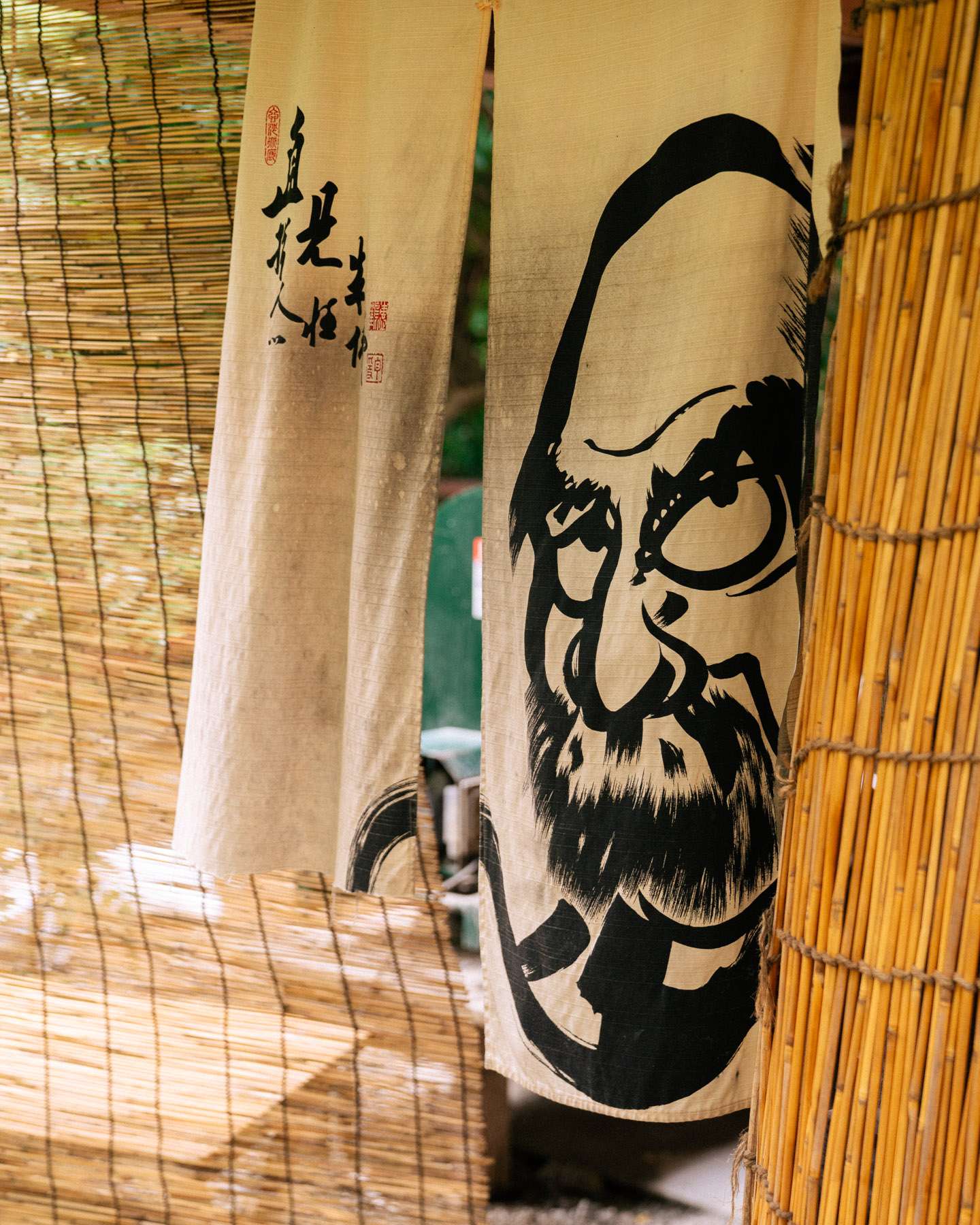
The towering buildings and glowing signs gradually gave way to weathered timber storefronts, tiled rooftops and narrow alleyways that rewarded looking a little closer. We ducked into any air-conditioned space we could find, including a small matcha shop in Uji with shelves lined floor to ceiling with neatly labeled tins. Through a mixture of gestures and broken translations, the owner handed us one to take home. When we opened it later, the powder was impossibly vibrant, almost fluorescent green, whisking into one of the smoothest cups of matcha I’ve ever tasted.
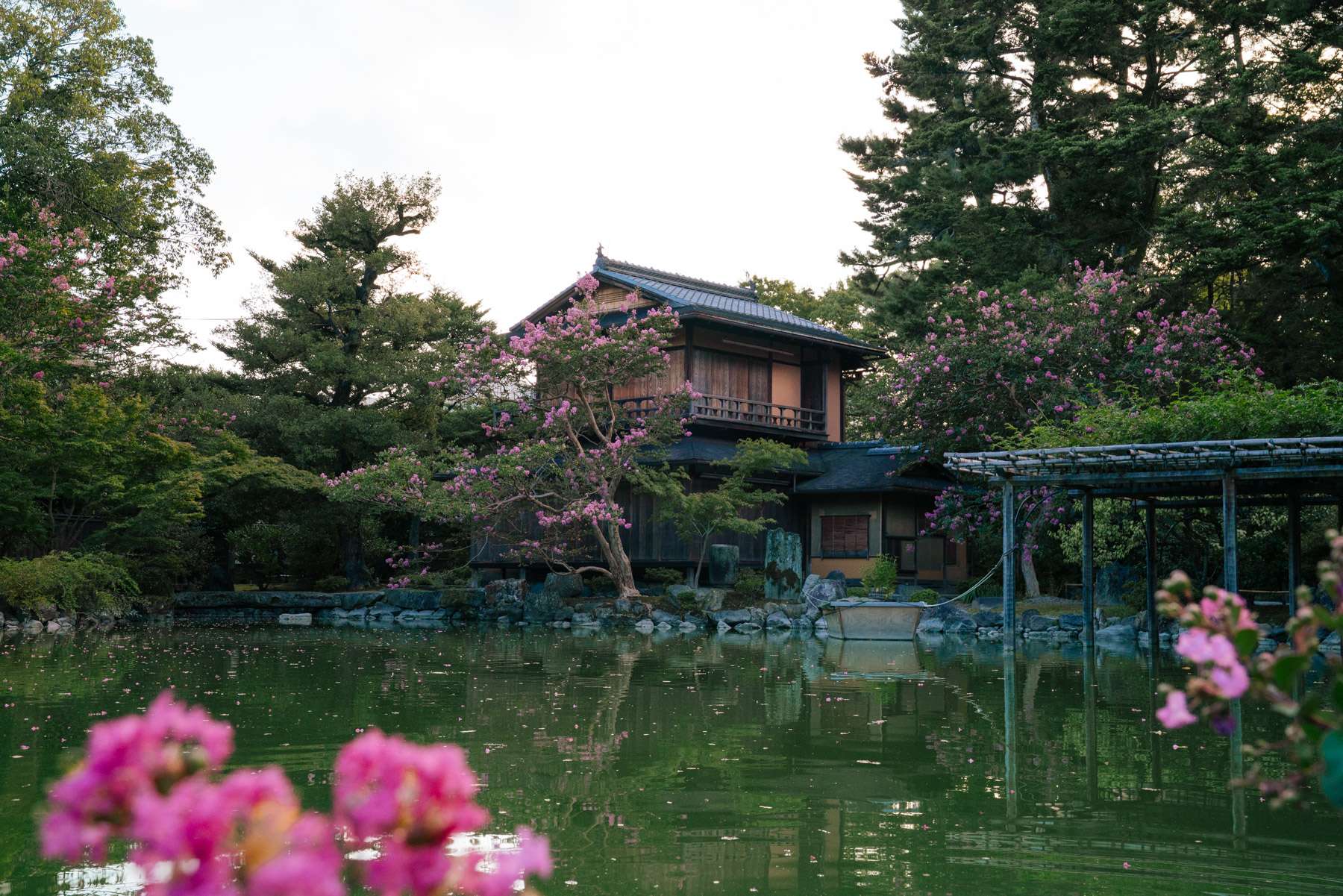
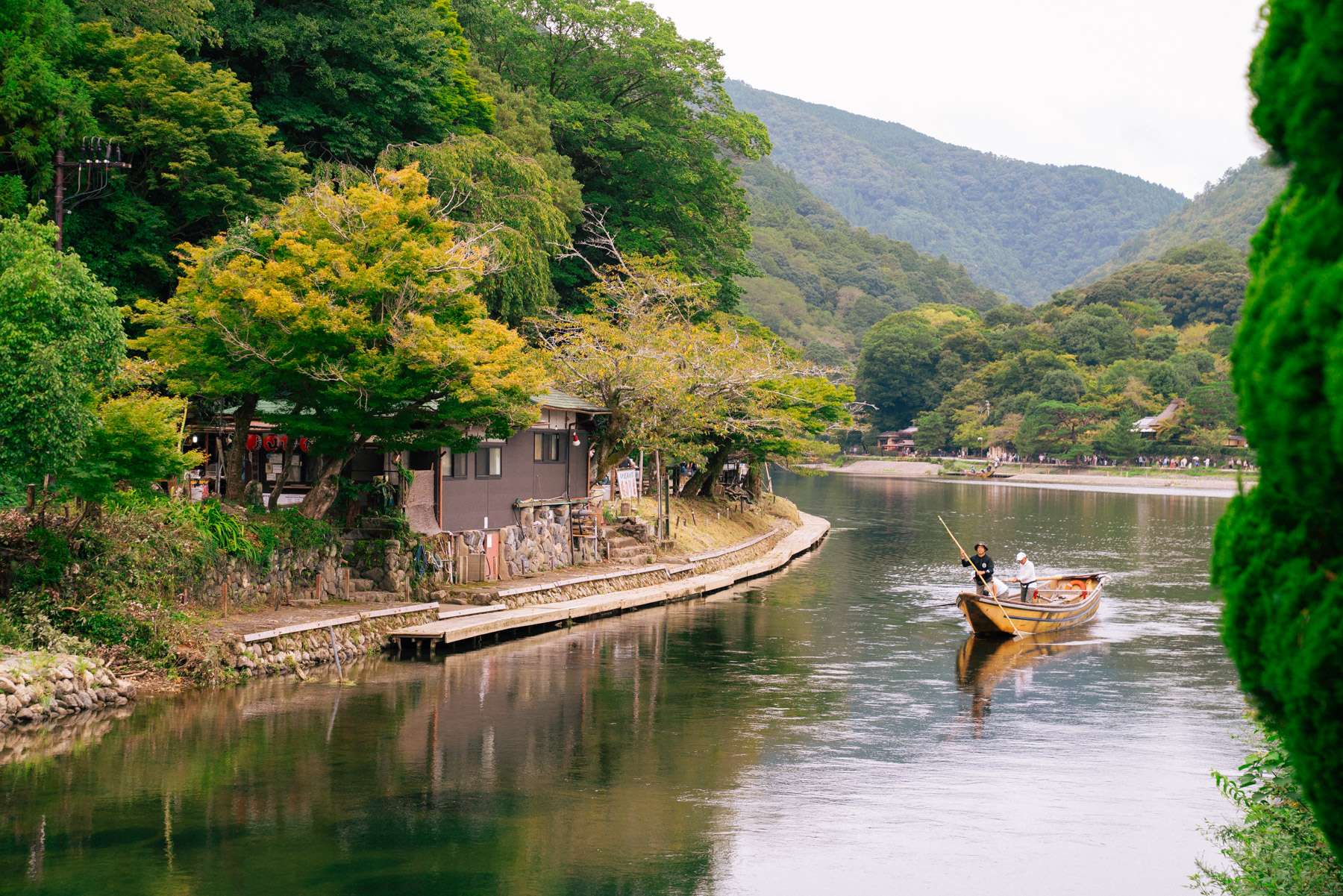
Our first evening in Kyoto brought us to Hoshinoya, a riverside ryokan tucked beneath the wooded hills of Arashiyama. Guests arrive by boat, and before we had even reached the property, the pace of the day had already begun to fade.
Waiting at the quiet boathouse, we were welcomed with a glass of iced hibiscus tea as the Katsura River slipped past below us. Deep ruby in color and chilled enough to bead with condensation, it tasted impossibly vibrant after the long, humid day. Sweet at first, then delicately tart, it felt less like a welcome drink and more like an invitation to slow down. Of everything I tasted in Japan, it’s the one flavor I still find myself thinking about most. Every summer since, I’ve searched for a hibiscus tea that comes close, but nothing has ever quite matched that first glass overlooking the river.
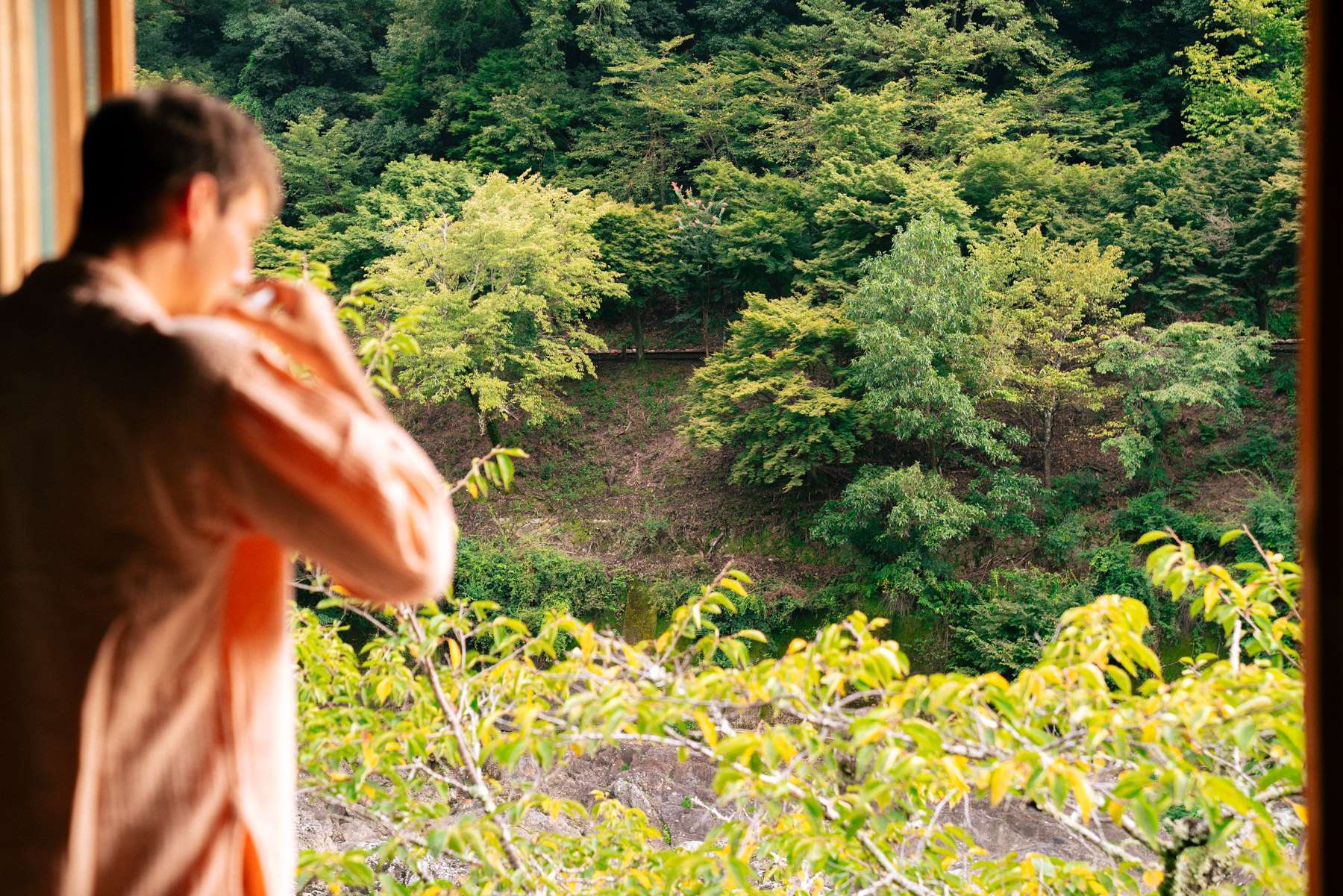
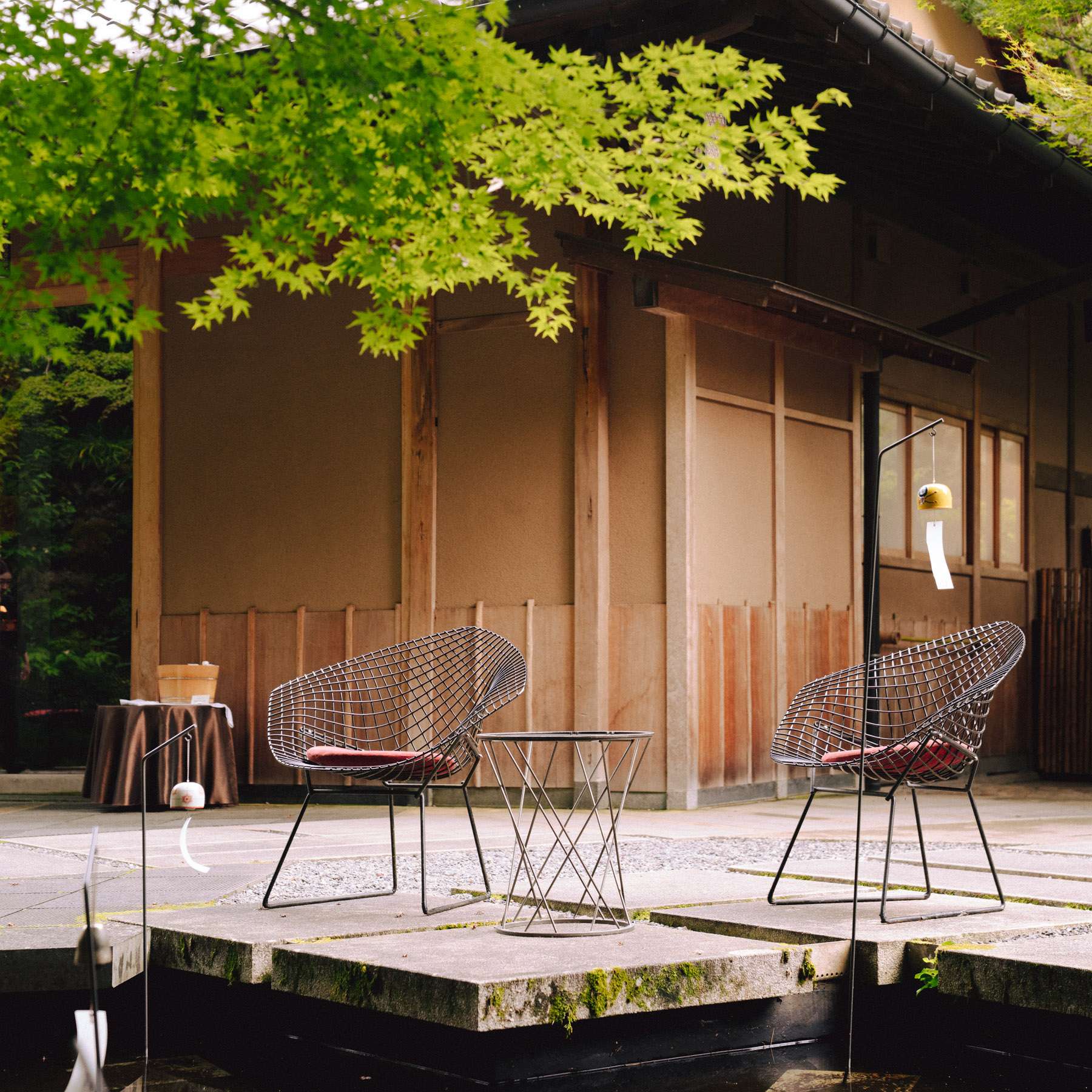
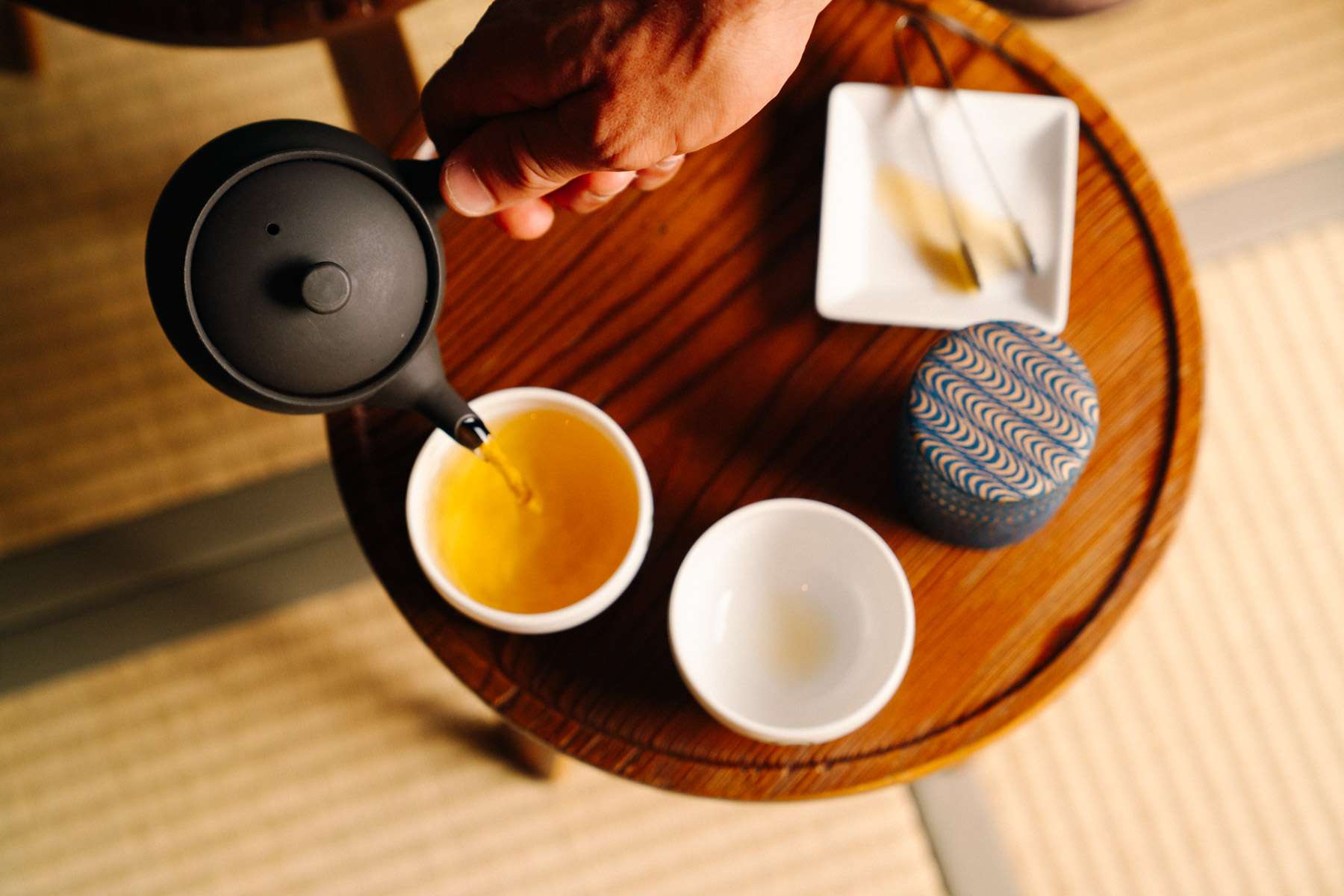
The resort felt perfectly nestled between the Katsura River and the forested hills beyond. Inside, every detail reflected the landscape outside. Tatami mat floors softened each step, while warm wood, stone and greenery filled the room with a quiet sense of calm. A deep soaking tub had already been prepared with fresh mint, and in the sitting area, a low picture window overlooked the river, framed by maple trees that seemed to create a natural vignette around the view. A small tea set rested beside a curved wooden seat, inviting us to slow down for a while. Waiting on the beds were traditional robes, sandals and lounge clothes for our stay. Reid’s six-foot-three frame and size 13 feet made for an unintentionally hilarious reminder that they weren’t exactly designed with unusually tall visitors in mind.
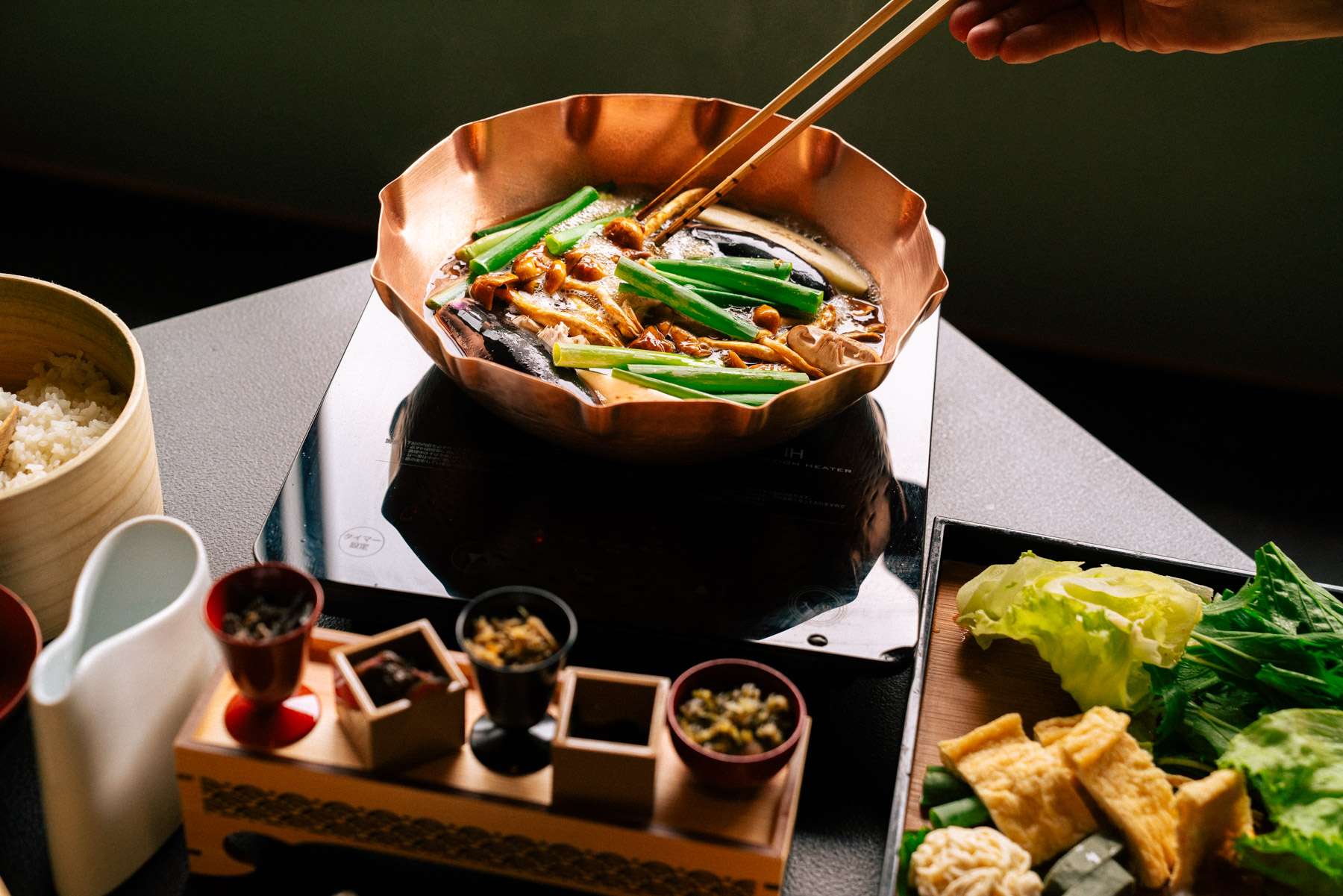
Dinner that evening remains one of the most memorable meals I’ve ever had. A thirteen-course omakase celebrated the arrival of September, each course paired with tea and presented almost like a miniature landscape. On one platter, maple leaves framed delicate bites, while another featured a whole fish slowly cooked over a small glowing charcoal cooker. Breakfast the following morning somehow matched it. The staff quietly arranged an elaborate spread in our room around a steaming hot pot, transforming our little sitting area into a private dining room. Looking across the spread, I found myself wondering who could possibly choose the American breakfast when this was the alternative.
By the end of the trip, I no longer reached for Pocari Sweat because of the heat. Buying one from a vending machine had simply become part of the rhythm of each day, a familiar pause between train rides, temples and coffee shops. Looking back through my photographs, it’s rarely the landmarks that stop me. Instead, it’s the small moments in between: condensation running down a blue bottle, the quiet of a Kyoto morning, or another side street that promised there was still something left to discover.